


Tracking student externships means confirming that interns are actually clocking in at their assigned clinical sites, internship placements, or field locations — not just trusting a paper sign-in sheet or a phone call after the fact. The most reliable way to do it is with a GPS-verified time and attendance system that records each student’s location the moment they clock in, flags no-shows automatically, and gives program coordinators a single dashboard to monitor every intern’s hours in real time.
“Bueller, Bueller, Bueller…?”
We all remember that epic scene from the movie Ferris Bueller’s Day Off. I doubt schools do roll call like that anymore, but colleges and trade schools need a method for tracking student externships.
Do you want to ensure that your students are always at their intern sites when clocking in?
Tracking Student Externships the Easy Way
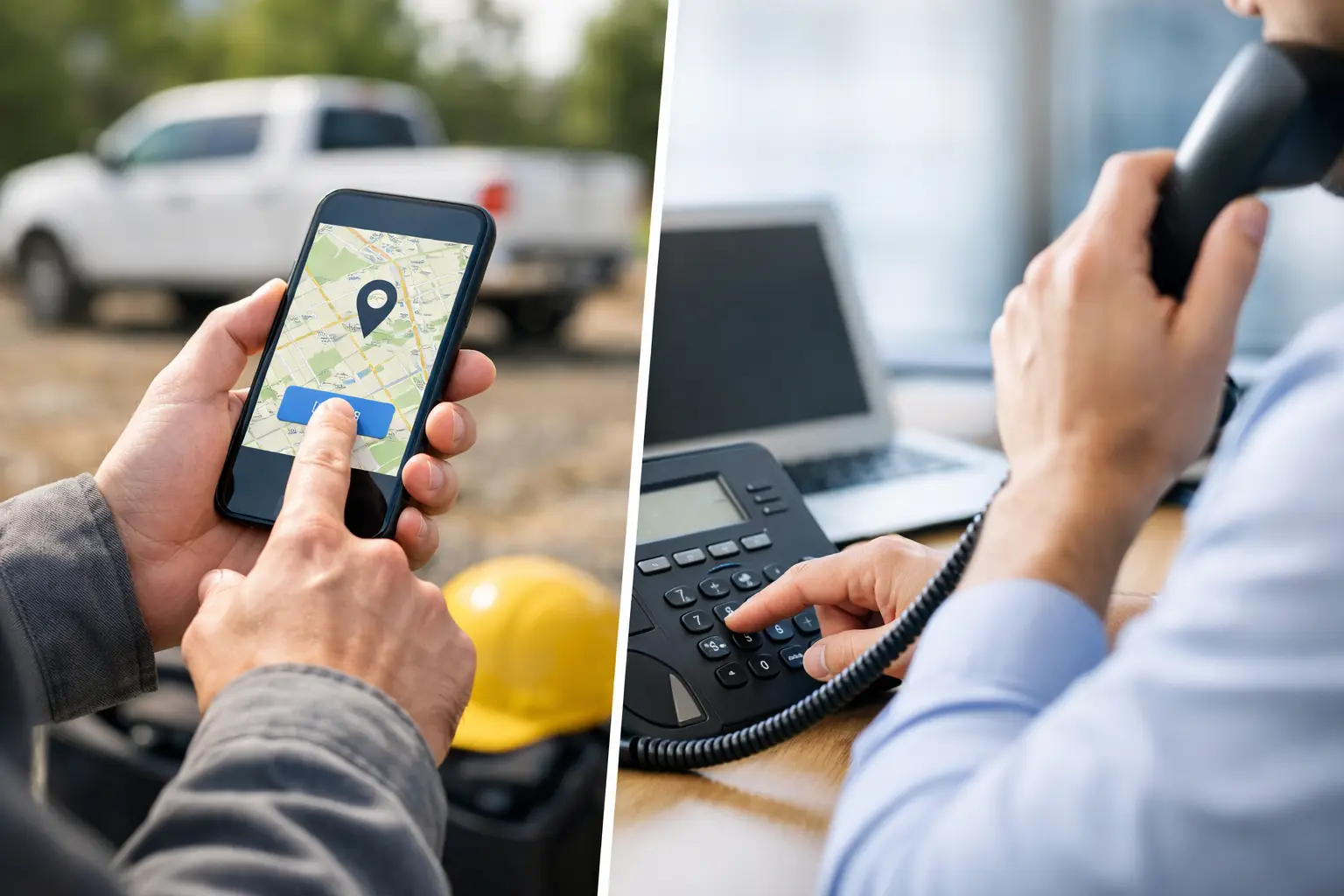
Tracking time and attendance in class is easy enough, but how do you know if your students are showing up for their clinical externships or internships? Universities, colleges, and trade schools all across the country have discovered the solution to tracking remote student externships and internships with our online time tracking and attendance system. Students use our GPS time clock app or TimeTiles™ to report their attendance and start the time clock. Both methods confirm the students’ locations and ensure that students are clocking in from their intern sites.
No Skipping
Instead of calling roll, pull a report of students who don't show up to their externships. When you track and monitor your student's attendance with our online scheduling system, you can get notified if they don't show up. This is important because students shouldn’t get class credit if they’re singing “Twist and Shout” in the uptown parade. Students can also keep up with their schedules and externship hours with our mobile app.
How Do You Track Student Externship Hours Without Chasing Paperwork?
Instead of relying on paper sign-in sheets, phone check-ins, or a supervisor’s word that a student showed up, program coordinators can put the same tools field service companies use to manage mobile crews to work for student placements. A GPS time clock app lets each student clock in and out from their own device, and the system records the location, date, and time automatically. Coordinators can then view hours in real time instead of waiting for a stack of timesheets at the end of the rotation, and pull historical reports whenever a school, accrediting body, or employer needs proof of hours completed.
What Is the Best Way to Confirm a Student Is Actually at Their Internship Site?
GPS location alone tells you approximately where a phone is, which is why programs that need certainty pair it with TimeTiles™ — small, tamper-proof tiles placed at each internship or clinical site. A student has to be within a few inches of the tile to tap it and clock in, so the clock-in itself proves they were physically on-site, not just somewhere nearby. GPS then keeps working in the background after the clock-in, alerting coordinators if a student leaves the site while still on the clock. Together, the two methods answer the two questions that matter most: did the student actually arrive, and did they stay for the full shift?
How Do No-Show Alerts Work for Student Interns?
Rather than discovering a missed externship shift days later, a live-streaming dashboard flags no-shows and GPS infractions as they happen, so program coordinators can follow up the same day instead of after the fact. The system tracks actual clock-in and clock-out times against each student’s scheduled hours, so a coordinator can see at a glance who’s on-site, who’s late, and who never showed up at all. Our no-show alert system works the same way for any mobile workforce, whether that’s a student extern, a home health aide, or a field technician, and pairs naturally with online scheduling so scheduled and actual hours live in one place.
How Can Coordinators Communicate with Students and Host Sites?
Externship programs run smoothly when everyone — students, site supervisors, and program coordinators — can reach each other without a chain of personal texts and voicemails. A built-in messaging platform lets coordinators send one-to-one messages, team-wide announcements, or urgent schedule changes, with messages automatically translated into each recipient’s preferred language. That keeps everyone on the same page when a rotation changes, a site closes early, or a student needs to reach a supervisor quickly, without anyone digging through a personal phone for the right number.
How Do You Keep Track of Externship Paperwork and Deadlines?
Beyond hours and attendance, externship coordinators are usually juggling transcripts, applications, letters of recommendation, and internship agreements with their own expiration dates. Storing those documents digitally and setting alerts for approaching deadlines — a document about to expire, an agreement nearing its end date, or a birthday you don’t want to miss — takes that tracking off a coordinator’s mental checklist and puts it on a dashboard instead. Combined with emergency contact information, this turns onboarding a new round of externs into a repeatable workflow rather than a scramble every semester. Answers to more program questions are in our FAQ section.
Life Moves Pretty Fast
And your students move even faster, so you need an online time and attendance system with GPS tracking that can keep up. Let us help track the hours of your student externs and take this task off your board. Sign up for a free 30-day trial today, and it will be the easiest A you ever earned.
Frequently Asked Questions
How do you track student externship hours?
The most reliable way is with a GPS-verified time clock app that records each student’s clock-in and clock-out location automatically, rather than relying on paper sign-in sheets or a supervisor’s memory. Students clock in from their own device at the internship site, coordinators can view hours on a live dashboard, and historical reports are available whenever a school or employer needs proof of completed hours.
How do you know if a student actually showed up at their internship site?
GPS confirms roughly where a student’s device is when they clock in, and TimeTiles™ adds a second layer of proof: students must tap a tile physically installed at the site to start the clock, so the clock-in itself confirms they were on location. GPS then continues monitoring in the background and alerts coordinators if a student leaves the site while still clocked in.
What happens if a student doesn’t show up for their externship?
A live-streaming dashboard flags no-shows the same day they happen instead of after the rotation ends, comparing each student’s actual clock-in time against their scheduled hours. Coordinators receive alerts through the app so they can follow up immediately, rather than discovering a missed shift only when it’s time to calculate hours or assign course credit.
Can students track their own externship hours?
Yes. Students can view their own schedules and logged hours through the same mobile app they use to clock in, so they always know how many hours they’ve completed and how many remain in their rotation, without needing to ask a coordinator or keep a separate paper log.
How do coordinators communicate with students during an externship?
A built-in messaging hub lets coordinators send one-to-one messages, team-wide announcements, or urgent updates directly to students and site supervisors, with messages automatically translated into each person’s preferred language. That keeps communication in one place instead of scattered across personal texts, calls, and emails.
What other administrative tasks can externship tracking software handle?
Beyond hours and attendance, the same system can store student documents like transcripts and internship agreements, alert coordinators before certifications or agreements expire, track emergency contacts, and manage onboarding — turning several separate spreadsheets and file folders into one place coordinators check each day.