


Tracking employee attendance is one of the main pillars of running a successful business. But why is it so helpful? With Chronotek Pro's GPS time clock app and a few tips and tricks, you can be on the road to a better attendance tracking system.
Do you want to ensure that your employees are always at the job site when clocking in?
What We Will Cover
- Employee Absenteeism Is a Problem
- Employee Absences Are Expensive
- What Are the Warning Signs of an Attendance Problem?
- How to Combat Employee Absenteeism
- 1 - Begin Basic Attendance Tracking
- 2 - Offer Incentives for Good Attendance
- 3 - Improve Company Morale
- Does Tracking Employee Attendance Invade Employee Privacy?
- The Best Way to Improve and Track Employee Attendance
Employee Absenteeism Is a Problem
One of the biggest hassles a business can face is employee absenteeism. The U.S. Bureau of Labor Statistics estimated the absentee rate in 2023 to be 3.1%. Unfortunately, companies often ignore this issue.
Employee Absences Are Expensive
The 3.1% absentee rate doesn't sound bad, does it? But let's translate the rate to dollars. According to a CDC report, employee absenteeism in the United States costs employers $225 billion annually, or $1685 per employee in lost productivity. That cost is for every employee on your payroll, including the ones who never call out. How many employees do you have? Multiply the total number by $1685. Employee absenteeism is indeed expensive.
What Are the Warning Signs of an Attendance Problem?
Before you can fix employee attendance problems, you need to spot them. Common warning signs include repeated late arrivals, last-minute call-outs, and a pattern of employees clocking in from somewhere other than the job site. Job costing reports can also reveal the problem indirectly - a job that keeps running over its labor budget may point to coverage gaps caused by no-shows rather than the work itself. Catching these signs early means you can act before a client notices the coverage is thin.
How to Combat Employee Absenteeism
There are some easy tips you can adopt within your company to fight against absenteeism. The point is to be proactive.
1 - Begin Basic Attendance Tracking
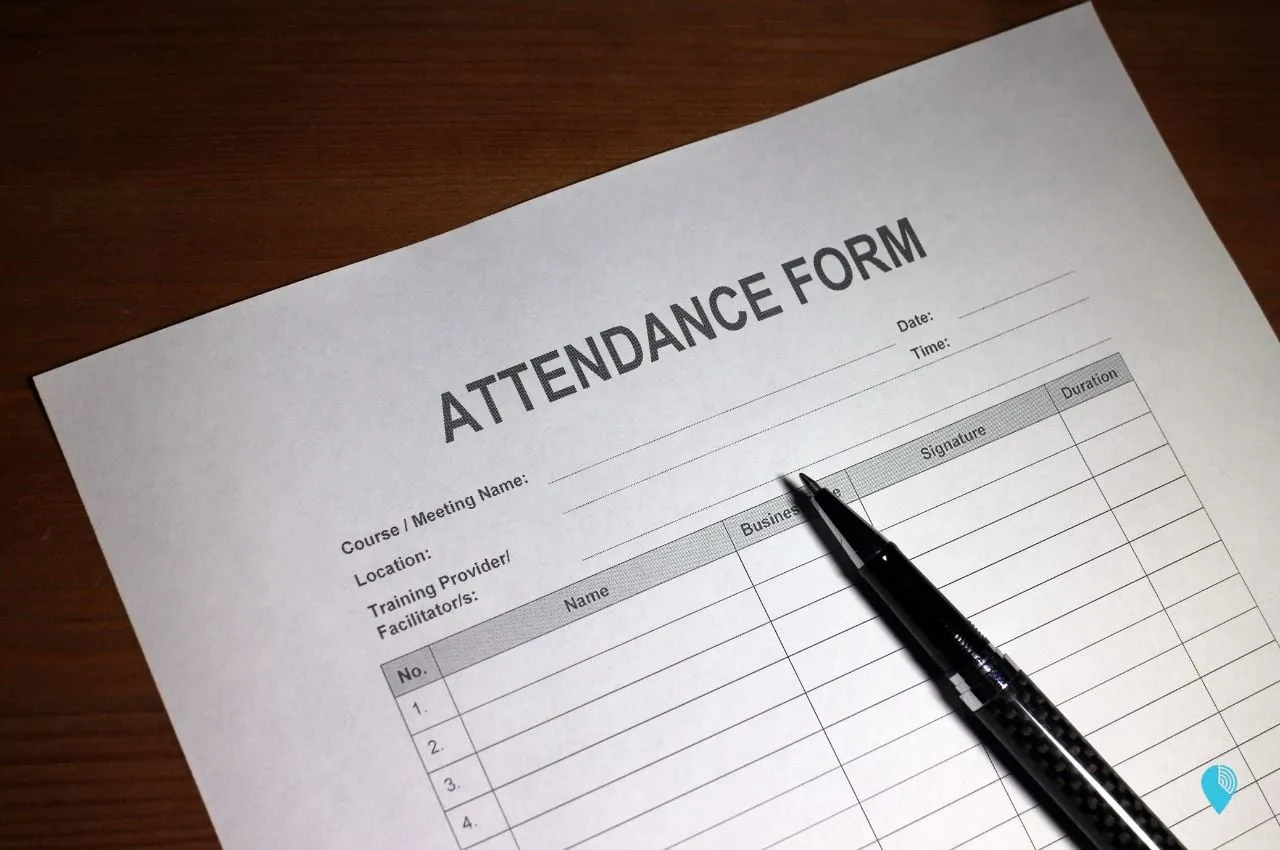
First, establish an updated attendance policy that all employees must follow. Then, tracking employee time and attendance is essential. A simple way to monitor attendance is with an absentee tracker spreadsheet. By acknowledging the absenteeism issue company-wide and taking these two basic steps, you inform your employees that they are being held to a higher standard. Accountability goes a long way.
2 - Offer Incentives for Good Attendance
It's easy to argue that you can't afford to pay your employees extra for showing up to work. The idea sounds like handing out sports participation trophies. But the Bureau of Labor Statistics shows you're spending almost $1700 a year on every employee and getting nothing in return. Can you spend one-third of that cost to encourage excellent attendance and increase productivity? Common incentives include an end-of-year or end-of-quarter bonus. Or buy restaurant gift cards in bulk at a 20% discount. Everyone loves a good meal out on the town, and who can afford it these days?
3 - Improve Company Morale
Did you know 75% of employees leave their jobs due to bad managers? It's easy to see that improving your management team can boost company morale and, in turn, decrease absenteeism rates. Another morale-boosting strategy is to recognize and appreciate your employees. A Harvard Business study found that the best teams in a company received 6x more positive comments than negative ones. A few kind words are a free way to tackle your absenteeism problem.
Does Tracking Employee Attendance Invade Employee Privacy?
Many employers worry that GPS-based attendance tracking crosses a line, but a well-designed system only watches the clock, not the person. Chronotek Pro's mobile app only collects location data while an employee is actively clocked in, and stops the moment they clock out - never during personal time. That distinction matters for building employee trust, and it's worth explaining to your team before rolling out a new attendance system so nobody assumes they're being tracked off the clock.
The Best Way to Improve and Track Employee Attendance
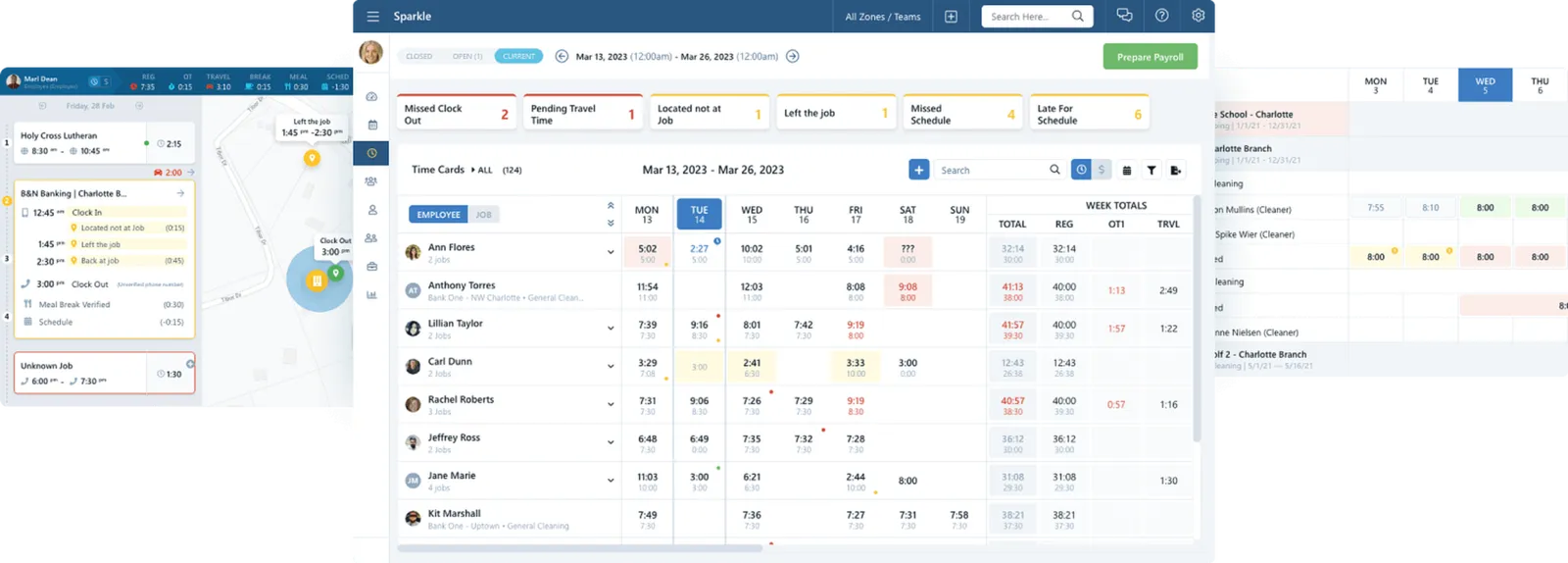 An online time-tracking system is the most effective way to improve and track employee attendance. Our timekeeping customers report significant savings in administrative time and labor costs.
Easy Clock-in and Communication
Offering an effortless system for employees to clock in and out, such as with the Chronotek Pro GPS time clock app, can reduce absenteeism. Employees clock in with ease and monitor their hours and schedules. They have easy communication channels to stay connected with their supervisors and teams, reporting issues and offering feedback. The communication hub is an ideal way for good managers to pass along words of praise that their employees need.
Simplified HR Admin Duties
The Chronotek Pro employee time and attendance system also reduces an HR admin's daily burden of managing employees. Pro's live-streaming dashboards flag previously hidden issues admins can handle in real-time. Your admin will save a massive amount of time and can help discover more ways to improve employee attendance.
Valuable Employee Data Tracking
Chronotek Pro tracks essential employee information such as late arrivals, no-shows, and GPS infractions. The centralized employee profile has a notes section to record call-outs and attendance issues. Once buried in spreadsheets, memos, and filing cabinets, issues are easily accessible for performance evaluations. You will make better employment decisions with better data a click away, resulting in improved employee attendance.
Programs with off-site placements can use the same attendance visibility; learn more about tracking student externships at assigned sites.
The chaos of running a business can lead to many issues that need to be addressed. Implementing a system like Chronotek Pro will alleviate the stress of employee absenteeism in your company. Don’t let employee absenteeism quietly erode your bottom line. Be proactive with Chronotek Pro!
Frequently Asked Questions
How common is employee absenteeism?
The U.S. Bureau of Labor Statistics estimated the national absentee rate at 3.1% in 2023. That may sound small, but it represents millions of missed shifts industry-wide, and most businesses underestimate how often it happens until they start tracking attendance data closely.
How much does employee absenteeism cost per employee?
A CDC-backed report estimates that employee absenteeism costs U.S. employers about $225 billion annually, or roughly $1,685 per employee in lost productivity. That figure applies to every employee on your payroll, including reliable ones, so multiplying your headcount by $1,685 gives a rough sense of what absenteeism could be costing your business each year.
What's the fastest way to start tracking employee attendance?
Start with an updated attendance policy and a basic tracking method, such as an absentee tracker spreadsheet, so every late arrival or no-show is recorded consistently. From there, moving to an automated timekeeping system gives you real-time visibility instead of relying on someone to update a spreadsheet by hand.
Does GPS attendance tracking invade employee privacy?
Not when it's set up correctly. Chronotek Pro only collects GPS location data while an employee is actively clocked in, and tracking stops the moment they clock out. Employees are never tracked during personal time, which helps address the privacy concerns that make some workers hesitant about GPS-based attendance systems.
Can improving company morale really reduce absenteeism?
Yes. Research cited above found that 75% of employees leave their jobs because of bad managers, and teams that receive more positive feedback tend to perform better and show up more reliably. Better management and regular recognition are low-cost ways to chip away at absenteeism alongside formal tracking tools.
What tools does Chronotek Pro offer to help reduce absenteeism?
Chronotek Pro combines an easy mobile clock-in, GPS verification, built-in team communication, and live-streaming dashboards that flag late arrivals, no-shows, and GPS infractions in an employee's profile. Together, these tools give administrators the real-time data they need to catch and address attendance problems before they affect your bottom line.